Hey there! Let’s dive into LDAR, short for Leak Detection and Repair. It's all about finding and fixing leaks of hazardous substances in industrial settings. Imagine you're working in a factory with pipes and tanks carrying all sorts of gases and liquids. Over time, these pipes can develop leaks, which can be dangerous and costly. That's where LDAR comes in, it’s a systematic approach to sniff out and seal these leaks to keep everything running smoothly and safely.
The Importance of LDAR
So, why should we care about LDAR? Well, there are a few good reasons:
Protecting the Environment: Leaks can release pollutants into the air and water, which is bad news for the planet.
Health and Safety: Exposure to hazardous substances can be harmful to workers and nearby communities.
Regulatory Compliance: Many industries have strict regulations about controlling emissions and leaks.
Saving Money: Leaks mean lost product, which translates to lost money. Plus, fixing leaks promptly can prevent bigger, costlier problems down the line.
How Does LDAR Work?
Alright, let’s break down how LDAR actually works. It’s a bit like a regular check-up but for industrial equipment.
The Basics of Leak Detection
LDAR programs typically involve:
Inspection: Regularly scheduled checks of equipment to spot any leaks.
Monitoring: Using tools like gas detectors or infrared cameras to monitor for leaks.
Repair: Fixing any leaks as soon as they’re found to prevent further issues.
Documentation: Keeping detailed records of inspections, findings, and repairs.
Tools and Techniques for Leak Detection
There are some pretty cool tools and techniques used in LDAR:
Gas Detectors: These gadgets can detect specific gases in the air, giving you a heads-up if there’s a leak.
Ultrasonic Leak Detectors: They use sound waves to detect leaks you might not be able to see.
Infrared Cameras: These cameras can visualize gas leaks by detecting heat differences, which is super handy.
When it comes to techniques, here’s what’s usually done:
Visual Inspection: Looking for signs like stains or corrosion that might indicate a leak.
Sniffing: Using gas detectors to “sniff” out leaks.
Soap Bubble Testing: Applying a soap solution to suspected areas and watching for bubbles that indicate a leak.
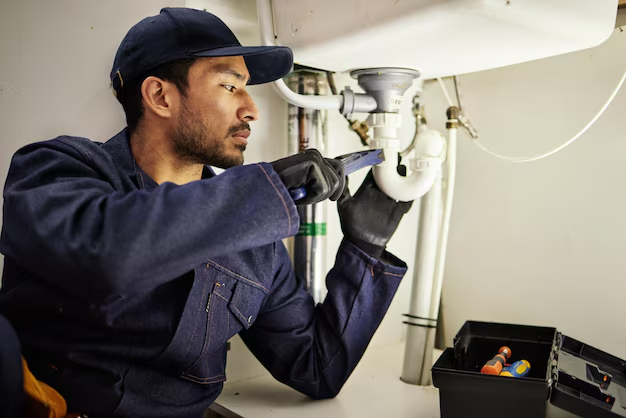
Repairing Leaks
Once a leak is detected, it’s time to roll up your sleeves and fix it. Here are some common repair methods:
Replacing Seals: Worn-out seals are often the culprits behind leaks.
Tightening Connections: Loose connections can lead to leaks, so tightening them up can help.
Replacing Damaged Parts: Sometimes, the best fix is to swap out a faulty part for a new one.
The Benefits of a Strong LDAR Program
Implementing a solid LDAR program isn’t just about compliance; it brings a bunch of benefits.
Environmental Benefits
By reducing the release of harmful substances, you’re doing a big favor for Mother Earth. Less pollution means cleaner air and water, which is a win for everyone.
Health and Safety Benefits
Cutting down on leaks means less exposure to hazardous substances for workers and nearby communities. This translates to a safer work environment and healthier living conditions.
Financial Benefits
Leaks can be costly, both in terms of lost product and potential fines for non-compliance. A strong LDAR program helps save money by conserving resources and avoiding penalties.
Compliance and Reputation
Staying compliant with regulations not only keeps you out of legal trouble but also enhances your company’s reputation as a responsible and environmentally conscious business.
Common Challenges in LDAR Programs
Of course, LDAR programs come with their own set of challenges.
Detection Challenges
Accessibility: Some areas are tough to reach, making inspections tricky.
Interference: Other substances or environmental factors can interfere with detection.
Small Leaks: Tiny leaks can be hard to spot but can still cause big problems.
Repair Challenges
Downtime: Fixing leaks often means shutting down equipment, which can be costly.
Cost: Repairs can be expensive, especially if major components need replacing.
Expertise: Skilled technicians are needed for effective repairs, and they can be hard to find.
Documentation Challenges
Consistency: Keeping consistent records can be a hassle.
Accuracy: Accurate documentation is crucial but can be challenging.
Compliance: Staying compliant with all regulatory requirements involves meticulous record-keeping.
How Opmaint Can Help with LDAR
Here’s where Opmaint, your friendly CMMS (Computerized Maintenance Management System), comes into play. Opmaint can make managing your LDAR program a breeze.
Streamlined Inspections: Schedule and track inspections easily with our intuitive interface.
Efficient Monitoring: Integrate your detection tools with Opmaint for real-time monitoring and alerts.
Comprehensive Documentation: Keep all your records in one place, ensuring consistency and compliance without the headaches.
With Opmaint, you’re not just meeting regulatory requirements—you’re optimizing your entire LDAR process, making it more efficient and effective.
Implementing an Effective LDAR Program
Let’s talk about how to set up a successful LDAR program. It’s not rocket science, but it does require some planning.
Step-by-Step Guide
Assess Your Needs: Understand the specific requirements of your industry and operations.
Choose the Right Tools: Select the appropriate detection tools for your needs.
Train Your Team: Ensure your team is well-trained in using detection tools and repairing leaks.
Schedule Regular Inspections: Set up a routine inspection schedule to catch leaks early.
Document Everything: Keep detailed records of all inspections, findings, and repairs.
Review and Improve: Regularly review your LDAR program and make improvements as needed.
Best Practices
Stay Proactive: Don’t wait for leaks to become a problem; catch them early.
Use Technology: Leverage the latest technology for more accurate and efficient leak detection.
Engage Experts: Work with experts to ensure your LDAR program is as effective as possible.
Continuous Training: Regularly train your team to keep their skills sharp.
Real-World Applications of LDAR
LDAR isn’t just theoretical; it’s used in real-world industries to great effect.
Case Study: The Oil and Gas Industry
In the oil and gas industry, leaks can lead to severe environmental damage and financial losses. A robust LDAR program helps minimize these risks, ensuring safer and more efficient operations.
Case Study: Chemical Manufacturing
Chemical manufacturing involves handling hazardous substances that pose serious health risks if leaked. An effective LDAR program protects workers and the environment while improving operational efficiency.
Case Study: Food and Beverage Industry
Even in the food and beverage industry, leaks can cause contamination and spoilage, leading to significant losses. An LDAR program helps maintain the integrity of products, ensuring safety and quality.
Conclusion
Leak Detection and Repair (LDAR) is crucial for maintaining safe, efficient, and compliant industrial operations. By understanding its importance and implementing a robust LDAR program, you can protect the environment, ensure the health and safety of your workers, and improve your bottom line.
With Opmaint’s CMMS, you can take your LDAR program to the next level, leveraging cutting-edge technology to streamline inspections, monitoring, repairs, and documentation. Whether you’re in the oil and gas industry, chemical manufacturing, or any other sector, a strong LDAR program is essential for success.
Frequently Asked Questions
Got a question? We’ve got answers. If you have any other questions, please contact us via our support center.
1. Who needs an LDAR program?
2. What tools are used for leak detection in LDAR?




.webp)

.jpeg)
